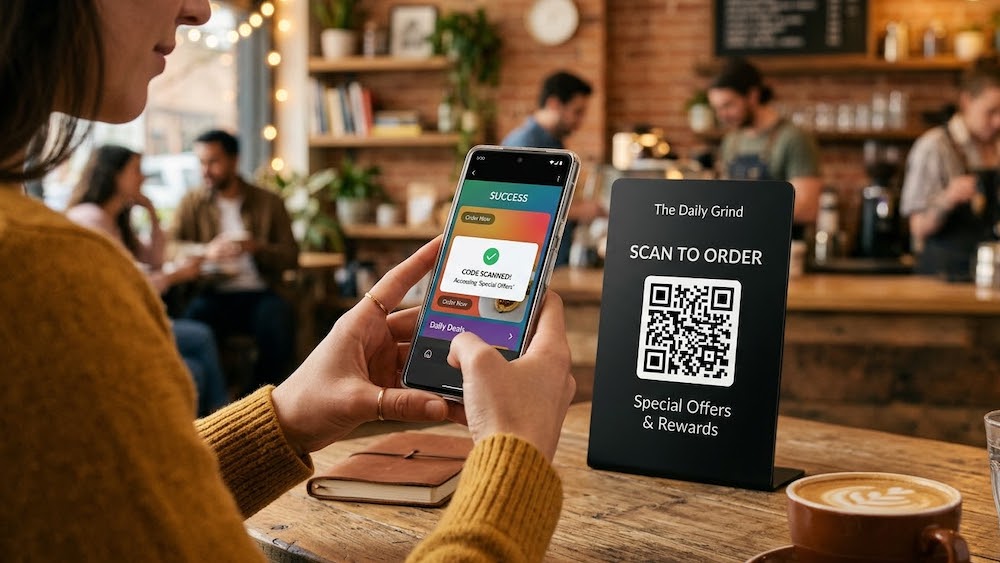
In today’s mobile-first world, a QR code is more than just a clever piece of technology. It is a powerful Direct Action Tool, capable of instantly bridging the gap between a customer’s physical interest and your digital solution.
When engineered correctly, a QR code provides a frictionless journey, respecting the user’s time and guiding them exactly where they need to go. The secret to this “Precision Linking” isn’t the code itself—it’s the intentional strategy behind the destination URL.
Here is how to master the perfect QR code customer journey for your next campaign.
1. The Strategy of “Result-First” Destinations
The moment a user pulls out their phone to scan, you have their undivided attention. Your primary goal is to reward that attention by fulfilling the promise made in your physical marketing material immediately.
Instead of sending users to your homepage (where they must search for what they want), your QR code should skip the “introduction” and provide the “utility” right away.
- Promotional precision: If a flyer offers a “20% Discount on Your First Order,” the QR code should not lead to a generic shopping page. It should lead directly to a landing page or a cart where the 20% discount is automatically applied.
- Lead-Generation speed: If the prompt is “Scan to Register for Our Webinar,” the destination should be a optimized mobile form (preferably with just one field, e.g., email), not a “Contact Us” or general event calendar page.
- Support efficiency: A QR code on a complex piece of equipment should lead straight to that specific model’s installation video or quick-start guide, bypassing the general support portal entirely.
2. Tailoring the Experience through Contextual Routing
The true magic of a QR code is that you know exactly where the user is when they engage with it. Leverage this context to create a highly relevant experience.
Consider these examples of “Contextual Routing”:
- A Restaurant Table Tent leads to Order and Pay Now
- A Real Estate Yard Sign leads to Book a Viewing
- An Event Badge leads to the Event Schedule
3. Agility and Control: The Dynamic Advantage
A pro-level QR strategy utilizes Dynamic QR Codes. Unlike Static QR codes (where the link is embedded in the pattern and cannot be changed), Dynamic QR codes point to a redirect link on a management server.
This flexibility allows your physical assets to stay relevant and evergreen, even as your campaign goals evolve:
- Updating Offers: You can print a single flyer but change the “20% Off” offer to “Free Shipping” by updating the backend link—no reprinting necessary.
- Campaign Lifecycle: If you are running a two-part campaign, the same QR code on a poster can lead to a “Register for Early Access” form during week one, and switch to a “Buy Now” product page during week two.
4. Optimize Everything for the “Thumb”
It is essential to remember: 100% of your QR code traffic is mobile. The destination must be optimized accordingly.
- Lightning-Fast Load Times: Scanners are impatient. Use lightweight, optimized mobile landing pages.
- A Singular Focus: Remove global navigation bars, footers, and sidebars that distract from the conversion goal. Each scan must have one clear “Next Step.”
- Thumb-Friendly Design: Buttons (CTAs) should be large, tappable, and easily reachable by a user’s thumb, avoiding cumbersome form fields.
The Strategic Conclusion
A QR code is not a digital business card; it is a shortcut. By narrowing the focus of your campaign and using precision linking, you provide the customer with exactly what they want, right when they want it. When you make the journey effortless, you dramatically increase the likelihood of a successful conversion.
Stop Guessing, Start Routing. Join QR Star today to get your customers where you want them to go.