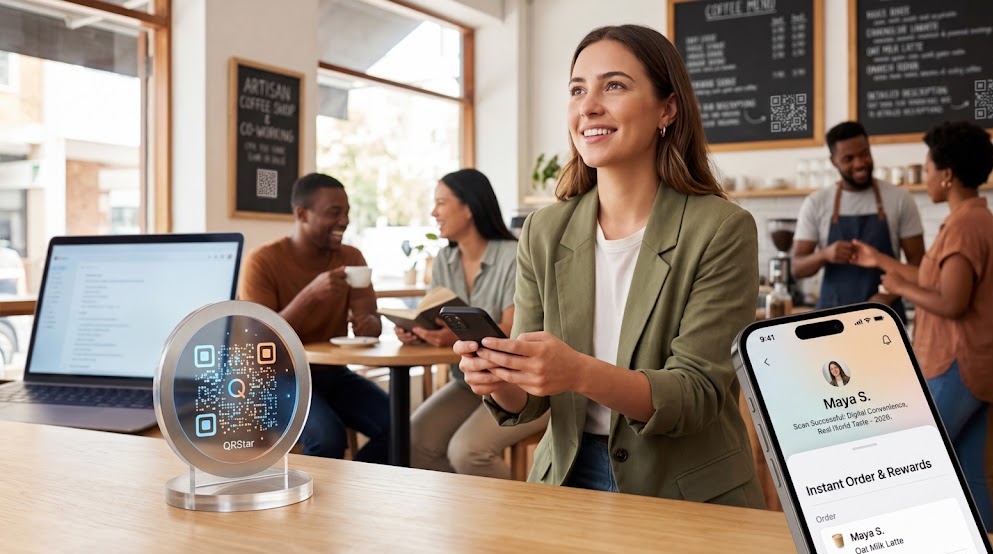
It is officially 2026, and a collective exhaustion has set in. After years of doomscrolling, virtual meetings, and purely digital interactions, consumers are hitting a wall. Screen fatigue is no longer just a buzzword; it is a measurable behavioral shift. People are actively seeking out the physical world again—they want to browse actual store aisles, hold products in their hands, sit in bustling cafes, and attend live events.
But there is a catch.
While consumers are craving the tangible, they refuse to give up the convenience of the digital world. They want the rich sensory experience of a physical storefront, but they still want the instant information, frictionless checkout, and deep product specs they get online.
Welcome to the era of the “Phygital” (Physical + Digital) experience. And if your business hasn’t adapted to it yet, you are leaving money on the table.
The Paradox of the Modern Consumer
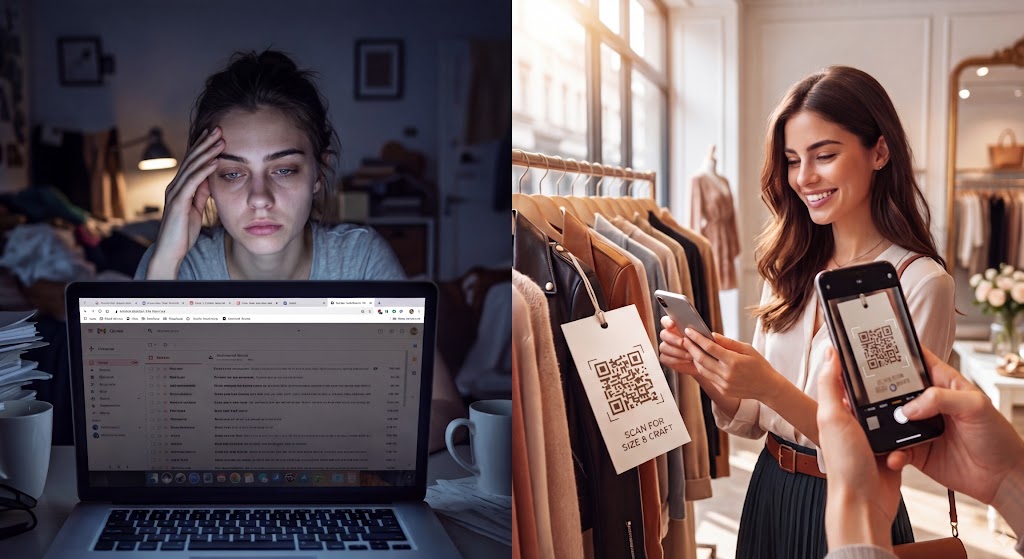
The modern consumer is a paradox. If they walk into your retail store and can’t figure out if a shirt comes in their size, they don’t want to hunt down a sales associate, but they also don’t want to open their mobile browser, search your website, and fall down a digital rabbit hole of distracting tabs.
They want the answer right now, exactly where they are standing.
This is where the magic of the “Phygital” bridge comes in. By integrating smart digital touchpoints into the physical environment, businesses can offer the best of both worlds: a rich, tactile experience paired with instant digital gratification.
Bridging the Gap Without the Rabbit Hole
So, how do you give a physical shopper digital convenience without sending them back into the screen-time abyss? The answer lies in seamless, highly targeted micro-interactions.
When you place a beautifully designed QR Star code on a product tag, a restaurant table, or an event booth, you are creating a frictionless portal.
- You control the journey: Instead of forcing a customer to search Google (where they might see competitor ads), a quick scan drops them exactly where you want them—a specific landing page, a sizing chart, or an instant checkout screen.
- You eliminate the friction: The customer gets exactly what they need in three seconds. They look down, scan, get the answer, and look right back up to enjoy the physical space around them.
Winning Strategies for the Phygital World
Brands across every industry are already using dynamic codes to enhance, rather than replace, the physical world. Here is how the smartest businesses are doing it:
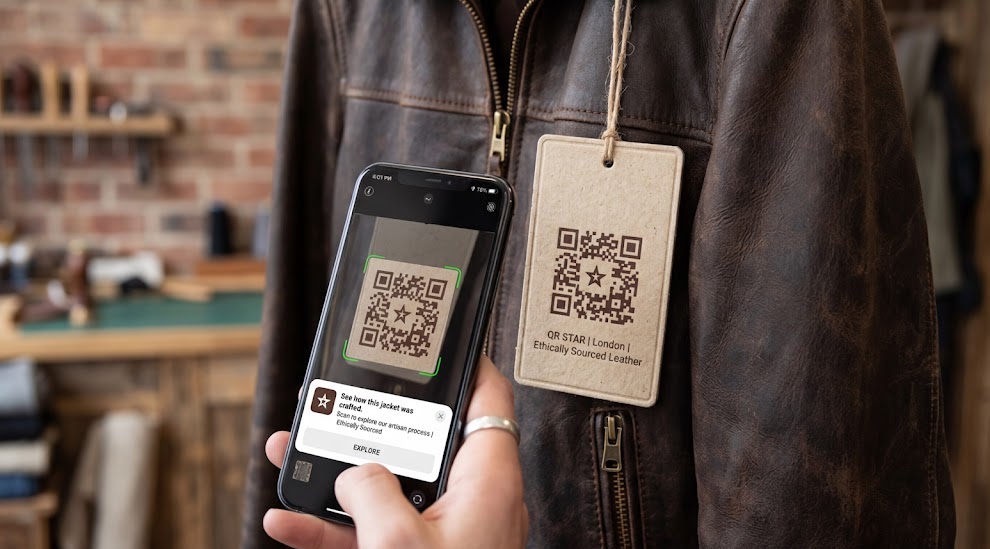
- The Transparent Retailer: Placing QR codes next to high-end items that link to short, aesthetic videos showing the product’s origin story, sustainability practices, or styling tips. It adds digital depth to a physical item.
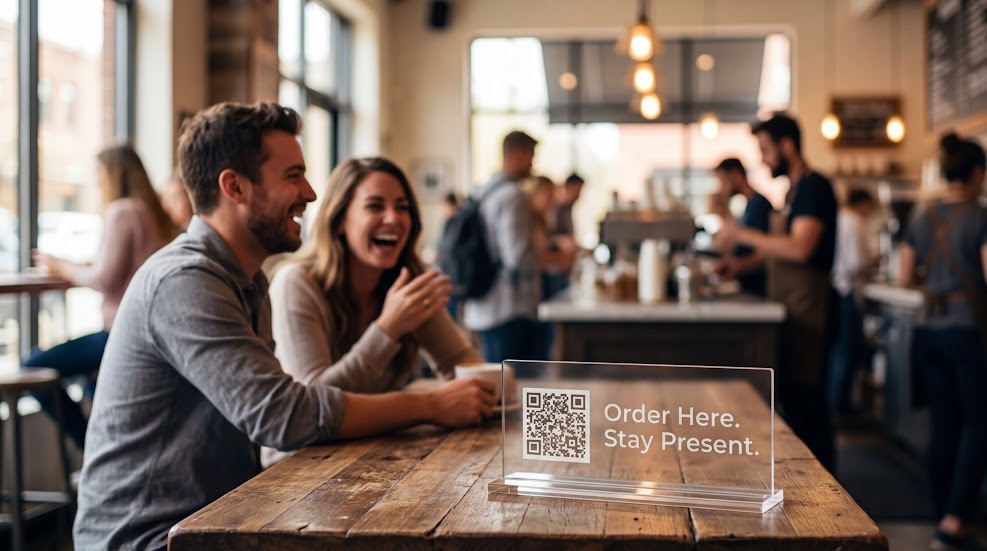
- The Seamless Cafe: Letting customers enjoy the ambiance of the coffee shop without waiting in line. A code on the table lets them order and pay in 15 seconds, allowing them to put their phone away and actually talk to the person across the table.
- The Interactive Event: Replacing heavy, printed expo brochures with a single smart badge. Attendees scan to instantly download contact info or product specs, keeping their hands free to shake hands and network.
The Future is Hybrid
We are never going back to a purely offline world, but the pendulum has swung away from purely online living. The brands that win in 2026 will be the ones that understand this balance.
By utilizing dynamic, elegant QR codes, you can invite your customers to step out from behind their screens and step into your business—knowing that the digital convenience they rely on is only a quick scan away.
Ready to build your first Phygital experience? Create dynamic, trackable codes that bridge the gap at QR Star.